
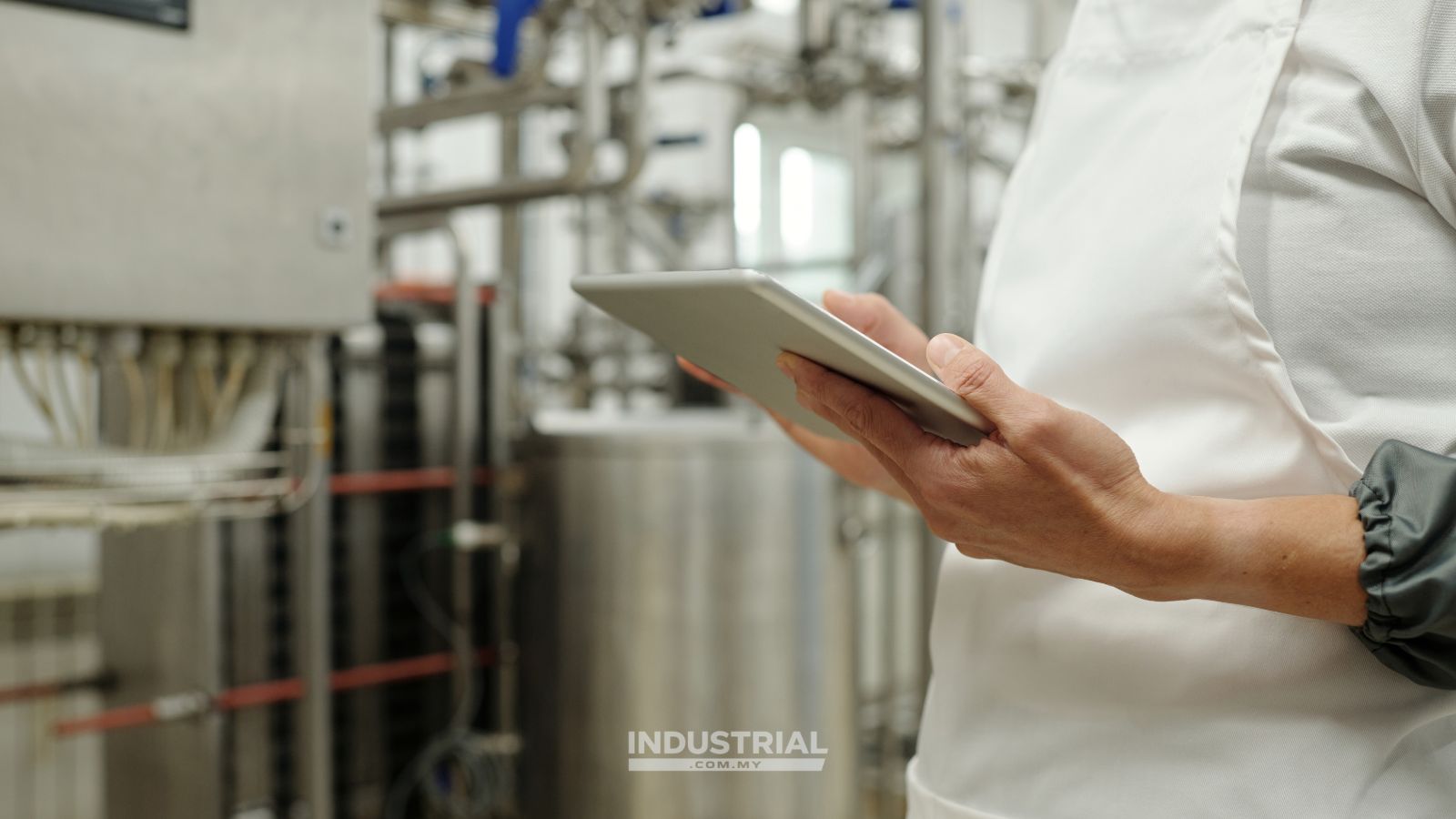
If your facility handles powders, granules or bulk solids whether in food manufacturing, pharmaceuticals, chemicals or plastics then the way you move, store and process those materials has a direct impact on your output quality, hygiene standards and operational efficiency.
IBC system, short for Intermediate Bulk Container systems, have become the backbone of modern powder processing operations worldwide. They allow manufacturers to handle large volumes of dry materials in a contained, hygienic and highly controlled manner reducing contamination risk, improving dosing accuracy and significantly speeding up production cycles.
Let’s review what an IBC System is and its key components. Below, I will also explain how IBC systems work, when to use them, and what to look for when selecting the right powder handling solution for your facility.
What Is an IBC System?
An IBC (Intermediate Bulk Container) system is a modular material handling setup designed to transport, store, mix and fill bulk dry materials primarily powders and granules in a controlled and enclosed environment.
Unlike traditional open-bag or manual scooping processes, IBC systems use rigid or semi-rigid containers that integrate directly with processing equipment. This means materials move from one stage of production to the next without being exposed to the open environment, maintaining hygiene, reducing dust and ensuring consistent dosing.
IBC systems are commonly used in industries including:
- Food ingredients — flour, sugar, starch, spice blends, protein powders
- Pharmaceuticals — active pharmaceutical ingredients (APIs), excipients
- Life sciences — nutraceuticals, vitamins, specialty compounds
- Chemicals — industrial powders, catalysts, pigments
- Dairy — milk powder, whey, infant formula
Key Components of an IBC System
A complete IBC system typically consists of several integrated components, each serving a specific function in the powder handling process.
IBC Containers
The primary storage and transport vessel. Available in stainless steel (most common in food and pharma) or food-grade plastics. Sizes typically range from 100 litres to over 2,000 litres depending on the application.
Cone Valve Discharge Systems
The discharge point at the base of the IBC. Cone valve technology enables precise, controlled release of powder from the container with minimal residue and no clogging. This is particularly important for fine powders that tend to compact, bridge or flood during conventional discharge.
IBC Handling Frames & Lifting Stations
Structural frames that allow IBC containers to be elevated, positioned and connected to processing equipment. Forklift-compatible or crane-compatible designs are available depending on facility layout.
Mixers & Blenders
Some IBC systems incorporate in-bin mixing — the container itself becomes the mixing vessel by rotating or tumbling. This eliminates the need for separate mixing equipment and reduces cleaning time significantly.
Filling & Dosing Stations
Automated fill stations precisely weigh and fill IBCs from bulk silos or upstream processes. Dosing accuracy is critical in pharmaceutical and food applications where ingredient ratios must meet strict tolerances.
Understanding Cone Valve Technology
The discharge mechanism is one of the most critical and most often overlooked parts of a powder handling system. Poor discharge leads to blockages, inaccurate dosing, material waste and costly downtime.
Cone valve technology addresses these challenges by using a centrally positioned cone that opens and closes to regulate powder flow from the bottom of the container. Unlike butterfly valves or simple slide gates, the cone valve creates a uniform mass-flow pattern meaning the powder moves evenly across the entire base rather than channelling through a single point.
The practical benefits of cone valve discharge include:
- Near-zero residue — minimal powder left in the container after emptying
- No bridging — prevents arch formation in cohesive or fine powders
- Dustless operation — enclosed discharge reduces airborne dust significantly
- Accurate dosing — consistent flow rate supports weighing and batching accuracy
- Easy cleaning — simple cone geometry supports CIP and WIP procedures
EHEDG Hygienic Design: Why It Matters
If your facility handles food ingredients, pharmaceuticals or health supplements, the equipment you use must meet strict hygiene standards, not just for best practice, but as a legal and certification requirement.
One of the most recognised international standards for this is EHEDG — the European Hygienic Engineering & Design Group. Think of it as a design rulebook that ensures processing equipment is built in a way that is genuinely safe and cleanable, not just on the surface.
In practical terms, IBC systems that meet EHEDG standards are built with:
- Smooth, seamless surfaces — no rough patches or hidden corners where bacteria or mould can grow
- No dead zones — the system drains completely, so liquid does not pool inside after cleaning
- Durable seals and fittings — gaskets and connection points are designed to survive repeated wash-down cycles without cracking or breaking down
When sourcing IBC systems for regulated industries in Malaysia, confirming EHEDG compliance is an important step in due diligence particularly for facilities supplying export markets or those subject to FSSC 22000, GMP or GMP+ certification requirements.
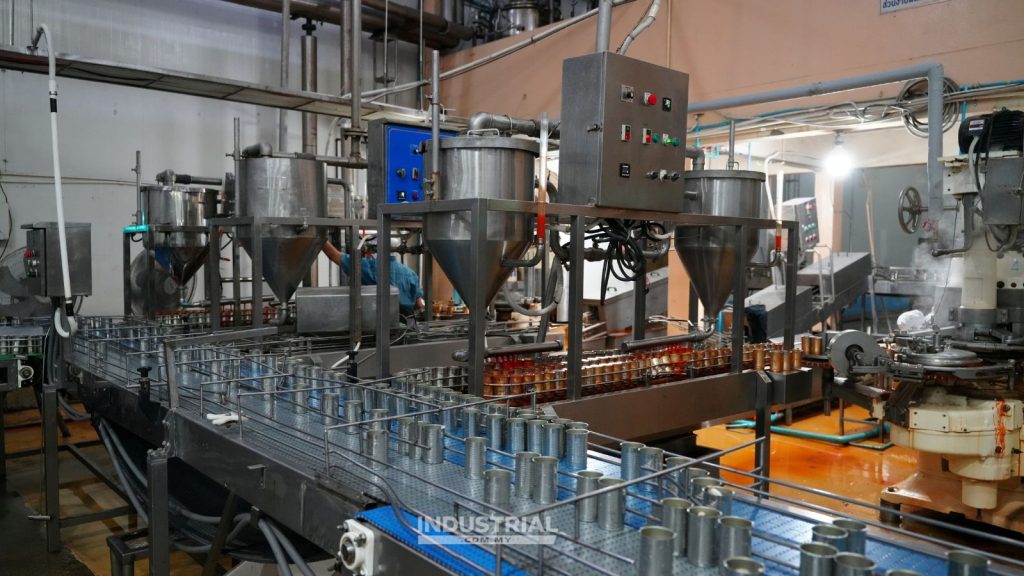
IBC System vs Traditional Powder Handling: A Comparison
| Factor | Traditional Open Handling | IBC System |
|---|---|---|
| Contamination Risk | High — open bags, manual scooping | Low — fully enclosed process |
| Dust Generation | Significant airborne dust | Minimal — contained discharge |
| Dosing Accuracy | Operator-dependent | Automated, consistent |
| Cleaning Time | Labour-intensive | CIP/WIP compatible |
| Traceability | Difficult to track batches | Full batch traceability |
| Scalability | Limited by manual labour | Easily scalable with automation |
| Operator Safety | Dust exposure risk | Enclosed, safer environment |
When Should Your Facility Consider an IBC System?
Not every facility needs a full IBC system from day one. But there are clear indicators that the investment is justified:
- You are handling more than 500 kg of powder per production shift
- Cross-contamination between product batches is a quality or compliance concern
- You are experiencing material loss or inconsistency from manual handling
- Your facility is expanding production capacity and manual handling is creating a bottleneck
- You need to meet FSSC 22000, GMP, or export market hygiene standards
- Your current cleaning procedures are time-consuming and disrupting production schedules
For smaller operations, a modular IBC approach starting with the discharge and filling stations can provide significant gains without requiring a full system overhaul from the start.
Where to Find IBC Powder Processing Solutions in Malaysia
Selecting the right IBC system supplier requires technical expertise, application knowledge and a supplier who can support your facility through design, installation and commissioning.
Recommended: IBC Solution (ibcsolution.net)
IBC Solution is a leading specialist in powder processing and packaging solutions based on EHEDG hygienic guidelines. They offer a comprehensive range of IBC System solutions for transport, storage, mixing and filling of bulk materials, with deep expertise in Cone Valve technology for precise powder handling and discharge. Serving industries including food ingredients, pharmaceuticals, life sciences and chemicals, IBC Solution provides complete turnkey systems from initial design through to installation and commissioning — ensuring your powder handling process is fully optimised from day one. Visit ibcsolution.net to learn more about their IBC systems and Cone Valve technology.
Choosing the Right IBC System for Your Facility
Powder processing is one of the more technically demanding areas of manufacturing. The materials are often fine, cohesive and difficult to handle consistently and the consequences of poor handling include product contamination, dosing errors, equipment downtime and failed audits.
IBC systems, particularly those incorporating cone valve discharge and EHEDG-compliant design, represent a mature and proven solution to these challenges. For any facility handling significant volumes of bulk dry materials, understanding what these systems offer and how to evaluate them is a worthwhile investment of time.

