
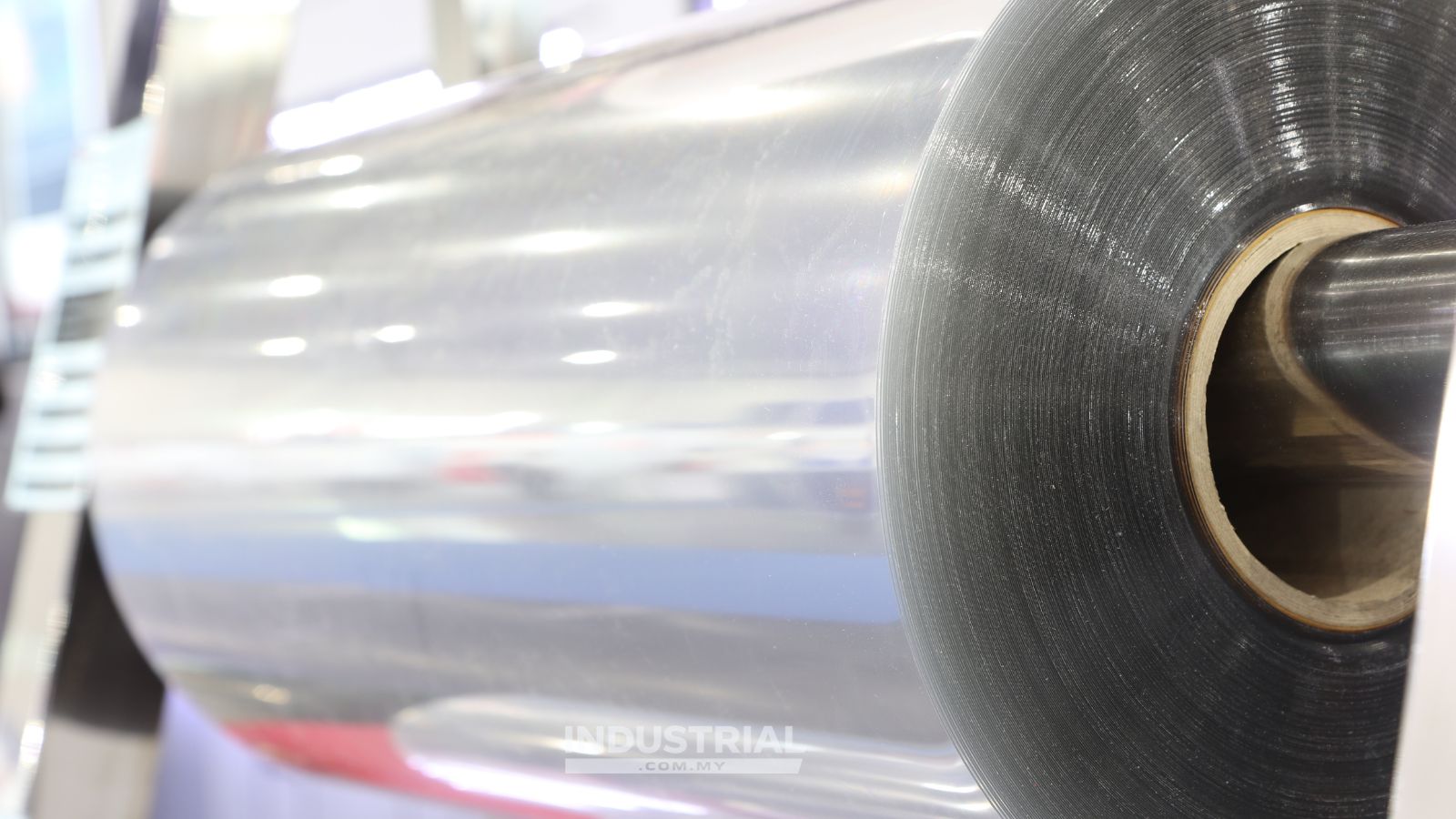
Plastic sheets are one of the most versatile industrial materials in modern manufacturing and construction. Used across sectors ranging from food processing and pharmaceuticals to signage, construction, engineering and retail display, the right plastic sheet product can make a significant difference to the durability, cost and performance of a finished application.
For Malaysian businesses, sourcing the right type of plastic sheet, from the correct material grade, at the right thickness and with appropriate surface treatment, requires a working knowledge of what is available and what each type of material is suited for.
Common Types of Industrial Plastic Sheets
The term ‘plastic sheet’ covers a broad range of materials with very different properties. Selecting the wrong material grade for an application is a common and costly mistake: a sheet that looks adequate on paper may crack under temperature change, degrade in UV exposure, or fail to meet food-safety requirements.
Polypropylene (PP) Sheets
Lightweight, chemical-resistant and easy to fabricate by cutting, welding and bending. PP sheets are widely used in chemical tank linings, industrial storage boxes, food processing equipment components and automotive parts. Food-grade PP is approved for direct food contact applications.
Polyethylene (PE) Sheets
High-density polyethylene (HDPE) offers excellent chemical resistance and impact strength. Ultra-high molecular weight polyethylene (UHMWPE) adds outstanding wear resistance, making it ideal for conveyor wear strips, chute liners, hopper linings and marine fender pads.
PVC Sheets (Rigid & Flexible)
Rigid PVC is widely used for signage, point-of-sale displays, protective guards and construction applications. Flexible PVC sheeting is used for curtains, strip doors, protective coverings and gaskets. Cost-effective, easy to print on and available in a wide range of colours.
Acrylic (PMMA) Sheets
Commonly known as Perspex or Plexiglas, acrylic sheets offer excellent optical clarity, UV resistance and weatherability. Used extensively in signage, display cases, architectural glazing, aquarium panels and light diffusers. Significantly lighter than glass and more impact-resistant.
Polycarbonate (PC) Sheets
The strongest transparent engineering plastic. Polycarbonate offers impact resistance approximately 250 times greater than glass, combined with good UV resistance and flame retardancy. Used in machine guards, protective screens, roofing panels and safety glazing.
PTFE & Engineering Plastic Sheets
Specialist grades including PTFE (Teflon), nylon, Delrin and PEEK are used in precision components where chemical resistance, low friction, high temperature performance or dimensional stability are required.
Key Properties to Specify When Sourcing Plastic Sheets
| Property | Why It Matters | Materials That Excel |
|---|---|---|
| Chemical Resistance | Prevents degradation when exposed to acids, solvents or cleaning chemicals | PP, HDPE, PTFE, PVC |
| Impact Resistance | Ability to absorb shock without cracking or shattering | Polycarbonate, UHMWPE, HDPE |
| UV Resistance | Prevents yellowing and embrittlement outdoors | Acrylic, Polycarbonate (UV coated) |
| Food Safety Compliance | Required for direct food contact applications | PP (food grade), HDPE, PTFE |
| Temperature Range | Operating temperature without deformation or failure | PTFE, PEEK, PP (up to ~100°C) |
| Optical Clarity | Transparency for displays, guards, glazing | Acrylic, Polycarbonate |
| Machinability | Ease of cutting, drilling, welding or thermoforming | PP, PE, Acrylic, PVC |
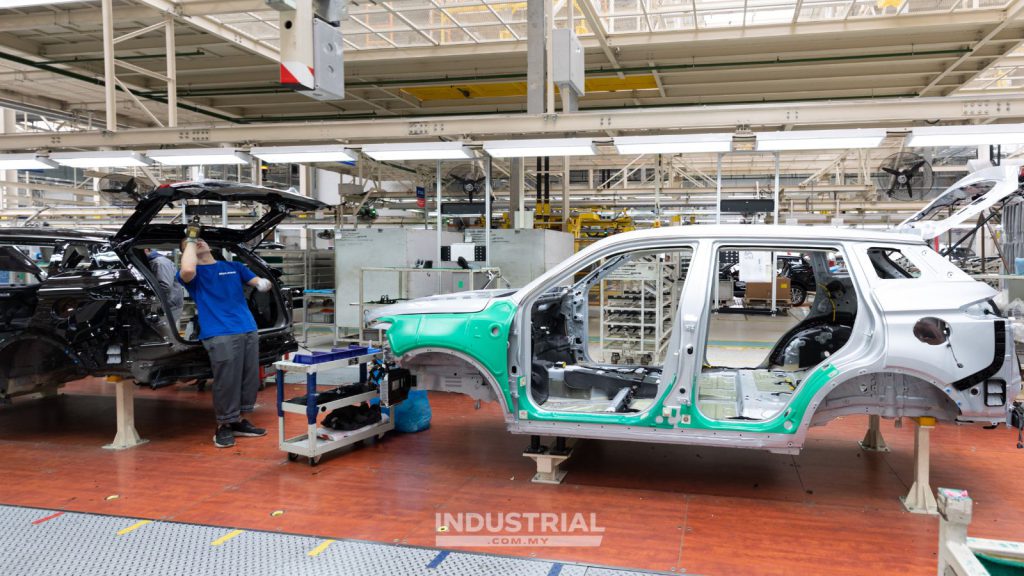
Industrial Applications in Malaysia
Plastic sheets are used across virtually every industrial sector in Malaysia. Some of the most common applications include:
- Food processing: cutting boards, work surfaces, tank linings, machine guards (food-grade PP and HDPE)
- Chemical processing: storage tank linings, equipment enclosures, chemical-resistant work surfaces
- Pharmaceutical manufacturing: clean room wall cladding, equipment guards, component fabrication
- Construction: formwork, partition panels, roofing, acoustic barriers
- Signage and display: retail signs, display panels, point-of-sale stands, exhibition displays
- Automotive and industrial: jigs, fixtures, guards, wear strips, cable management components
- Marine: fender pads, pontoon components, non-corroding structural panels (HDPE, UHMWPE)
Custom Fabrication vs Standard Sheet Supply
Plastic sheets can be purchased as standard flat sheets in common thicknesses and dimensions, or ordered as custom-fabricated components cut, bent, welded or machined to specific part drawings.
Standard sheet supply is appropriate when you have in-house fabrication capability, your requirements are non-complex, or you need a range of sizes and thicknesses for varied applications.
Custom fabrication makes sense when your application requires precision dimensions, complex shapes, specific surface finishes or integrated features that standard sheets cannot provide. Many plastic sheet manufacturers in Malaysia offer both supply and in-house fabrication services.
Finding a Reliable Plastic Sheet Supplier in Malaysia
The plastic sheet market in Malaysia includes both importers and local manufacturers. For applications requiring material certifications, food-grade compliance, fire ratings or specific engineering grades, working with a manufacturer who can provide full material traceability and test documentation is important.
Recommended Supplier: Topla.com.my
Topla.com.my is a trusted plastic sheets manufacturer in Malaysia, offering a wide range of high-quality plastic sheet products for industrial, commercial and custom applications. With advanced manufacturing technology and strict quality control, Topla delivers durable, reliable solutions tailored to meet diverse customer needs, from standard sheet sizes for immediate supply to custom-specification products for precision industrial applications.
Visit topla.com.my to explore their full range of plastic sheet products and request a quotation.
Get the Specification Right Before You Order
Plastic sheets are a deceptively broad category. The difference between selecting the right material grade and the wrong one can mean the difference between a component that lasts five years and one that fails in five months, or between meeting a food-safety audit and failing it.
Take the time to specify your application requirements clearly before sourcing: temperature range, chemical exposure, required certifications, dimensional tolerances and expected service life. With those parameters defined, a knowledgeable supplier can guide you to the right material and save you from a costly misspecification.
- Panduan Lengkap Memilih Kotak Pembungkusan Berkualiti untuk Perniagaan Makanan di Malaysia
- Industrial Magnets in Malaysia: A Complete Guide to Magnetic Products for Engineering and Manufacturing
- Industrial Springs in Malaysia: A Complete Guide to Coil, Compression, Torsion and Tension Spring Selection
- Bagging and Filling Systems in Malaysia: Which Technology Is Right for Your Product?

