
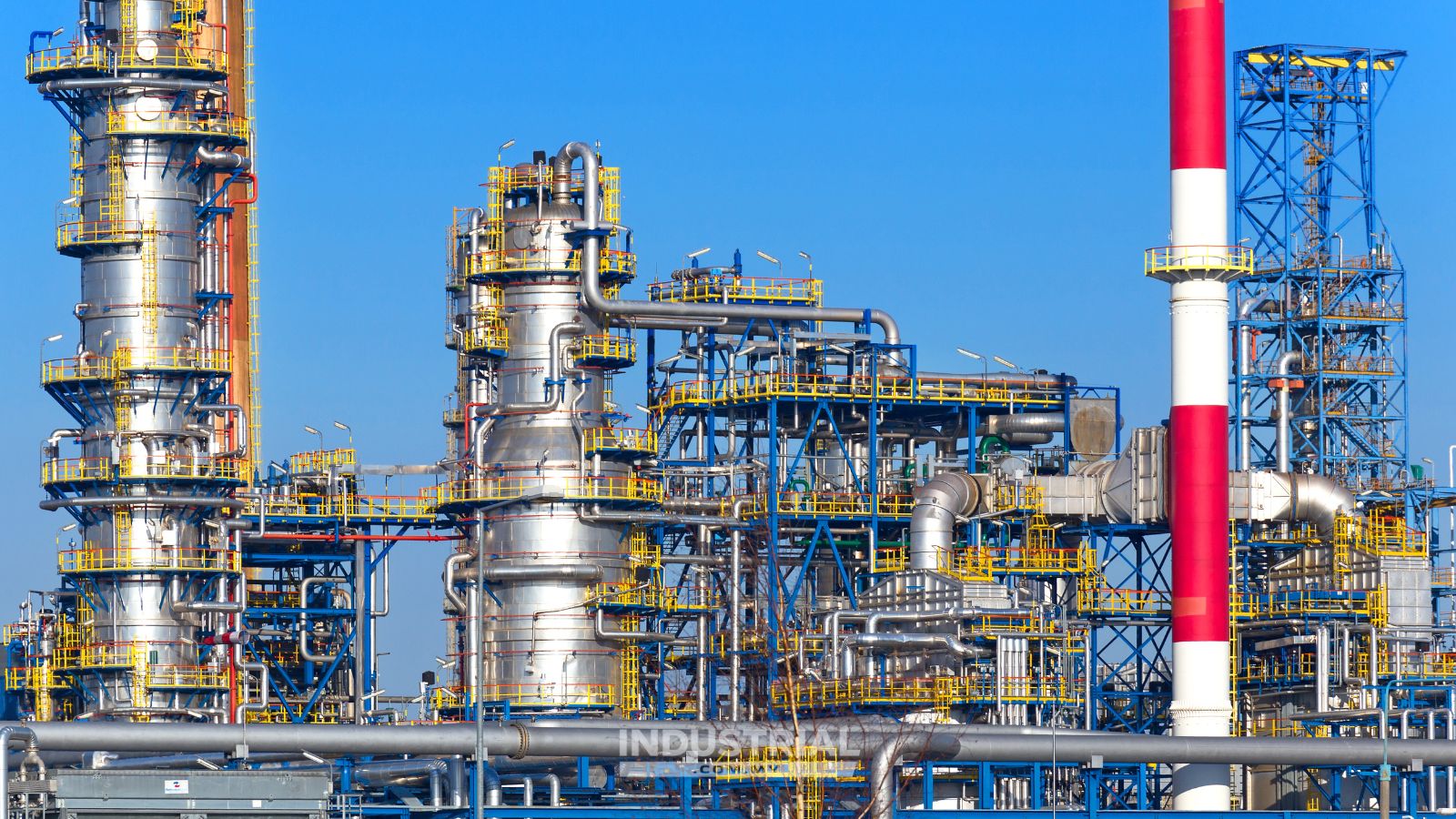
In the landscape of industrial equipment, heat exchangers rarely get the attention they deserve. They are not as visible as a turbine, as dramatic as a reactor vessel, or as immediately critical-looking as a control system. And yet virtually every significant industrial process in Malaysia, from the Petronas refineries in Kertih to the power plants along the Peninsular grid, from petrochemical complexes in Kertih and Gebeng to HVAC systems cooling Kuala Lumpur’s most demanding data centres, depends on heat exchangers working reliably, efficiently and continuously.
A heat exchanger that fails, degrades or operates below its design efficiency does not just create a maintenance problem. It can bottleneck an entire production line, reduce power plant output, compromise product quality, drive up energy costs, or trigger a process shutdown that costs far more per hour in lost production than the equipment itself is worth.
What Is a Heat Exchanger and Why Does It Matter?
A heat exchanger is a device that transfers thermal energy between two or more fluids, liquids, gases or combinations, without the fluids physically mixing. The fundamental purpose is simple: move heat from where it is not wanted to where it is useful, or from a high-temperature source to a lower-temperature process.
In practice, heat exchangers serve a remarkable range of industrial functions:
- Cooling process streams to operating temperature: removing heat generated by chemical reactions, compression or combustion
- Heating process feeds: bringing reactants or raw materials to the required reaction temperature using waste heat from other streams
- Condensing vapours: converting steam or hydrocarbon vapours back to liquid phase by removing latent heat
- Evaporating or reboiling liquids: adding heat to generate vapour for distillation columns or stripper units
- Heat recovery: capturing waste heat from hot process streams to pre-heat cold streams, dramatically improving overall energy efficiency
- Temperature control: maintaining precise operating temperatures in reactors, fermenters or process vessels
The economic value of well-designed heat exchanger networks in a petrochemical plant or refinery is enormous. Every megajoule of heat recovered through exchanger networks is a megajoule that does not need to come from fired heaters or steam generation, and in Malaysia’s energy cost environment, that translates directly to operational savings.
Types of Heat Exchangers: Which Is Right for Your Application?
There is no single universal heat exchanger design. Different applications demand different configurations based on operating pressure and temperature, the fouling tendency of the fluids, the required heat transfer surface area, the available footprint, the maintenance access requirements and the budget.
Shell and Tube Heat Exchangers
The workhorse of the petrochemical, refining, power generation and offshore industries. A cylindrical shell contains a bundle of tubes, with one fluid flowing through the tubes and the other flowing around them inside the shell. The design is robust, handles high pressures and temperatures well, is straightforward to clean mechanically on the tube side, and is backed by the most comprehensive set of international design standards (TEMA, ASME Section VIII) of any exchanger type.
Plate Heat Exchangers
Corrugated metal plates pressed together in a frame, with fluids flowing alternately between plates through gasket-sealed channels. Plate exchangers offer exceptional heat transfer efficiency in a compact footprint, dramatically smaller and lighter than shell and tube units of equivalent capacity. Well-suited to HVAC, food processing, dairy, brewery and pharmaceutical applications, but generally not appropriate for high-pressure refinery or offshore service without moving to fully-welded plate designs.
Air-Cooled Heat Exchangers (Fin-Fan Coolers)
In processes where cooling water is scarce, expensive or unavailable, air-cooled heat exchangers use ambient air driven across finned tube bundles by fans to reject heat to the atmosphere. They are widely used in Malaysian petrochemical plants, refineries and gas processing facilities. Malaysia’s high ambient temperatures (typically 32 to 38°C at process sites) are a significant design constraint, as units must be sized conservatively to ensure adequate cooling during hot seasons.
Double-Pipe (Hairpin) Heat Exchangers
The simplest configuration: one tube inside another, with fluids flowing in opposite directions (counterflow). Used for small-scale applications, viscous fluid service, high-pressure gas cooling, and situations where true counterflow is required for thermodynamic reasons. Easy to clean and maintain, but limited in capacity compared to shell and tube or plate designs.
Spiral Heat Exchangers
Two flat metal channels wound in a spiral around a central core. Excellent for slurries, sludges, fibrous fluids and highly viscous materials that would foul or block conventional tube-side or plate passages. Self-cleaning due to the turbulent flow in the spiral channel, and used in wastewater treatment, pulp and paper, and chemical processing where fouling is a persistent problem.
Key Design Standards and Compliance
For Malaysian industrial operations, particularly in oil and gas, power generation and petrochemicals, heat exchanger procurement must be aligned with the applicable design and fabrication standards. The consequences of non-compliant equipment being installed in a high-pressure, high-temperature process are severe: both in terms of safety risk and regulatory liability.| Standard | Scope | Relevance to Malaysia |
|---|---|---|
| TEMA (Tubular Exchanger Manufacturers Association) | Design, fabrication and materials for shell and tube heat exchangers. Three classes: R (severe duty), C (general commercial), B (chemical process) | The primary reference standard for shell and tube exchangers in Malaysian oil, gas and petrochemical operations. Most major operators specify TEMA-R as minimum |
| ASME Section VIII Div 1 / Div 2 | Pressure vessel design and fabrication requirements | Mandatory for pressure-containing components in high-pressure service. DOSH recognition of ASME is established in Malaysia |
| API 660 | Shell and tube heat exchangers for general refinery service | Widely referenced in Petronas and independent refinery procurement specifications |
| API 661 | Air-cooled heat exchangers for general refinery service | The reference standard for fin-fan coolers in Malaysian refinery and petrochemical plants |
| ASME B31.3 | Process piping attached to heat exchangers | Governs the nozzle loads and piping design interface with heat exchangers in process plants |
| ISO 9001 / ASME U Stamp | Quality management and pressure vessel certification | ASME U and U2 stamps provide internationally recognised third-party fabrication certification |
Fouling: The Most Significant Operational Challenge
Fouling, the accumulation of unwanted deposits on heat transfer surfaces, is the single greatest cause of heat exchanger performance degradation in Malaysian industrial operations. It reduces heat transfer efficiency, increases pressure drop, causes unplanned shutdowns for cleaning and, in severe cases, leads to under-deposit corrosion that damages tube walls and shortens equipment life.
- Scaling: precipitation of calcium carbonate and other mineral salts from cooling water, particularly from facilities using raw river water or seawater cooling. Especially problematic in power plants and coastal petrochemical facilities
- Biological fouling: algae, bacteria and other biological matter in cooling water systems. Malaysia’s warm, humid climate accelerates biological growth in cooling towers and open recirculating systems
- Particulate fouling: sedimentation of suspended solids from process streams or cooling water. Important in palm oil processing, mining and mineral processing operations
- Corrosion fouling: corrosion products from upstream piping depositing on tube surfaces
- Chemical reaction fouling: polymerisation, coking or chemical precipitation on heat transfer surfaces in refinery and petrochemical service
Fouling resistance (Rf) values must be incorporated into the design from the start. A heat exchanger designed without adequate fouling allowance will underperform as soon as it has been in service for any length of time. TEMA provides standard fouling resistance values as a starting point, but site-specific experience from similar service should inform the final design.
Maintenance, Inspection and Life Extension
A well-maintained heat exchanger in a Malaysian petrochemical or power plant typically has a design life of 20 to 30 years. Achieving that lifespan, and avoiding costly early replacement, requires a structured inspection and maintenance programme based on the specific failure modes relevant to each exchanger’s service conditions.
- Tube inspection: eddy current testing, ultrasonic thickness measurement and visual inspection during bundle pull identify wall thinning, pitting and under-deposit corrosion before failure occurs
- Bundle cleaning: high-pressure water jetting, chemical cleaning or mechanical rodding depending on the fouling type and tube configuration
- Leak testing: pneumatic or hydrostatic pressure testing to ASME requirements after maintenance to verify integrity before return to service
- Re-tubing: partial or full tube replacement when inspection reveals localised damage patterns, often more cost-effective than full exchanger replacement if the shell is in good condition
- Nozzle and shell inspection: particularly important for exchangers in corrosive service or external environments with high humidity and chloride levels
Where Heat Exchangers Are Used: Industries and Applications in Malaysia
Heat exchangers are not confined to any single sector. In Malaysia’s industrial landscape, they appear in almost every energy-intensive or process-driven industry, performing a surprisingly broad range of thermal management roles. In oil and gas, they cool compressed gas streams and recover heat from distillation columns. In power generation, they condense turbine exhaust steam and cool lube oil systems. In food and beverage manufacturing, they pasteurise milk, cool fruit juice and heat cooking oils. In pharmaceuticals, they maintain precise reaction temperatures in API manufacturing. In semiconductor fabrication, they cool process tools to within fractions of a degree. The common thread is not the industry but the engineering need: to move heat reliably, efficiently and continuously, cycle after cycle, year after year.
| Industry | Typical Heat Exchanger Application | Common Type Used |
|---|---|---|
| Oil, Gas & Petrochemical | Overhead condensers, feed/effluent exchangers, lube oil coolers, amine coolers | Shell and tube, air-cooled (fin-fan) |
| Power Generation | Steam condensers, feedwater heaters, cooling water exchangers, gas turbine lube oil coolers | Shell and tube, plate |
| Semiconductor & Electronics | Process cooling water, chiller systems, ultra-pure water temperature control | Plate, brazed plate |
| Food & Beverage | Pasteurisation, product cooling, CIP (clean-in-place) system heating, juice concentration | Plate (food-grade), scraped surface |
| Pharmaceuticals & Medical Devices | Reaction temperature control, sterile water heating, solvent recovery | Plate (sanitary grade), shell and tube |
| Palm Oil Processing | Steriliser condensate recovery, refinery deodoriser condensers, POME pre-cooling | Shell and tube, spiral |
| Chemicals & Specialty Chemicals | Reactor cooling and heating, solvent condensers, acid coolers | Shell and tube, graphite (for corrosive duty) |
| HVAC & Building Services | Central chiller condenser and evaporator, district cooling heat interface units | Plate, shell and tube |
| Rubber Processing | Latex cooling, vulcanisation temperature control, effluent pre-treatment | Shell and tube, plate |
| Water & Wastewater Treatment | Sludge digester heating, heat recovery from treated effluent | Spiral, shell and tube |
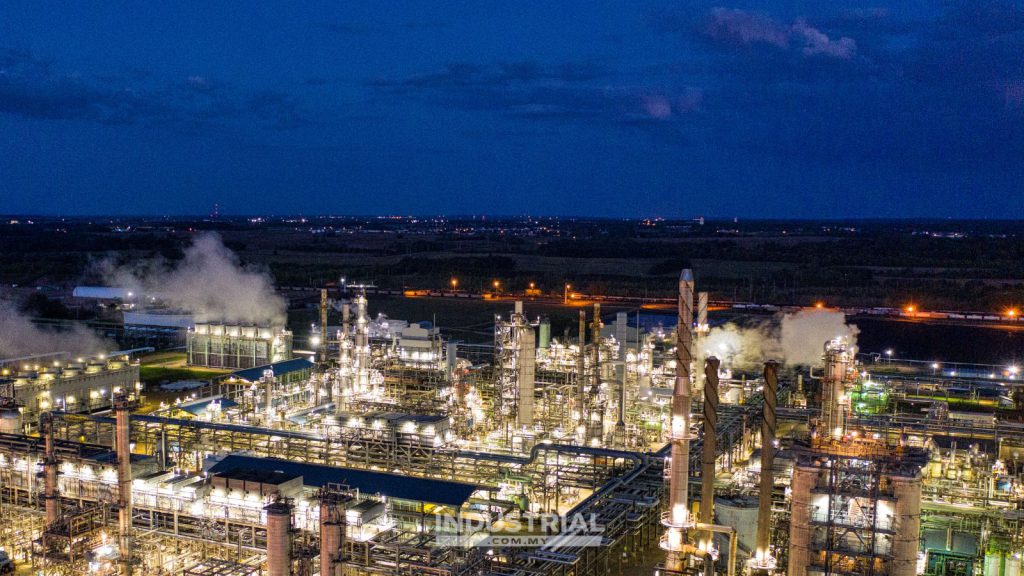
Heat Exchanger Engineering Services in Malaysia
For Malaysian industrial operations requiring heat exchangers engineered, fabricated and maintained to international standards, whether for oil and gas, power generation, petrochemicals, HVAC or general industry, working with a specialist engineering company with both design capability and fabrication experience is essential.
Recommended Specialist: Fidelity Radcore Heat Exchangers (M) Sdn Bhd
Fidelity Radcore Heat Exchangers (M) Sdn Bhd is an established engineering company specialising in the supply and fabrication of heat exchangers for power plants, petrochemical, oil & gas, HVAC and other general industries. The company first ventured into the engineering industry in the early 1960s, giving them a depth of experience and understanding of Malaysian industrial requirements that few competitors can match. Their track record across decades of operation in some of Malaysia’s most demanding process environments speaks to a consistent standard of engineering integrity and fabrication quality.
Visit fidelityradcore.com.my to learn more about their heat exchanger supply and fabrication capabilities.
Specify Right, Maintain Well, and the Equipment Will Deliver
Heat exchangers sit at the intersection of process engineering, mechanical engineering, materials science and operational maintenance, and getting the specification, fabrication and maintenance right across all those dimensions is what separates reliable, long-life equipment from chronic performance problems.
Whether you are specifying a new exchanger for a greenfield plant, troubleshooting declining performance in an existing unit, or planning a turnaround inspection programme, the starting point is always the same: understand the service conditions fully, apply the appropriate design standards rigorously, and work with engineering partners who have genuine experience with the specific failure modes and operating conditions relevant to your industry.

